
Materials Delivered Ready for Immediate Use
Gravel, Sand & Topsoil Supply in Whitewood for driveways, base layers, drainage applications, or landscaping projects requiring bulk material delivery
Driveways sink into ruts, drainage areas fill with standing water, and planting beds fail to support healthy growth when the wrong material is used or when insufficient base layers are installed beneath surfaces that carry traffic or manage water flow. Valley Dirt Movers LLC supplies and delivers gravel, sand, and topsoil in Whitewood, providing materials sized and graded for specific applications from driveway base rock to landscape topsoil with organic content suitable for plant establishment. Construction sites, residential properties adding gravel drives, and landscaping projects all require bulk materials delivered in quantities that match project scale without requiring multiple trips or undersized loads.
Material selection depends on the application: crushed gravel with angular edges compacts tightly for driveway bases and roadwork, sand provides bedding and leveling for pavers or drainage trenches, and topsoil delivers the organic matter and texture needed for lawns, gardens, and planting beds to establish root systems and retain moisture.
Request a material consultation to determine quantities and delivery logistics for your project.
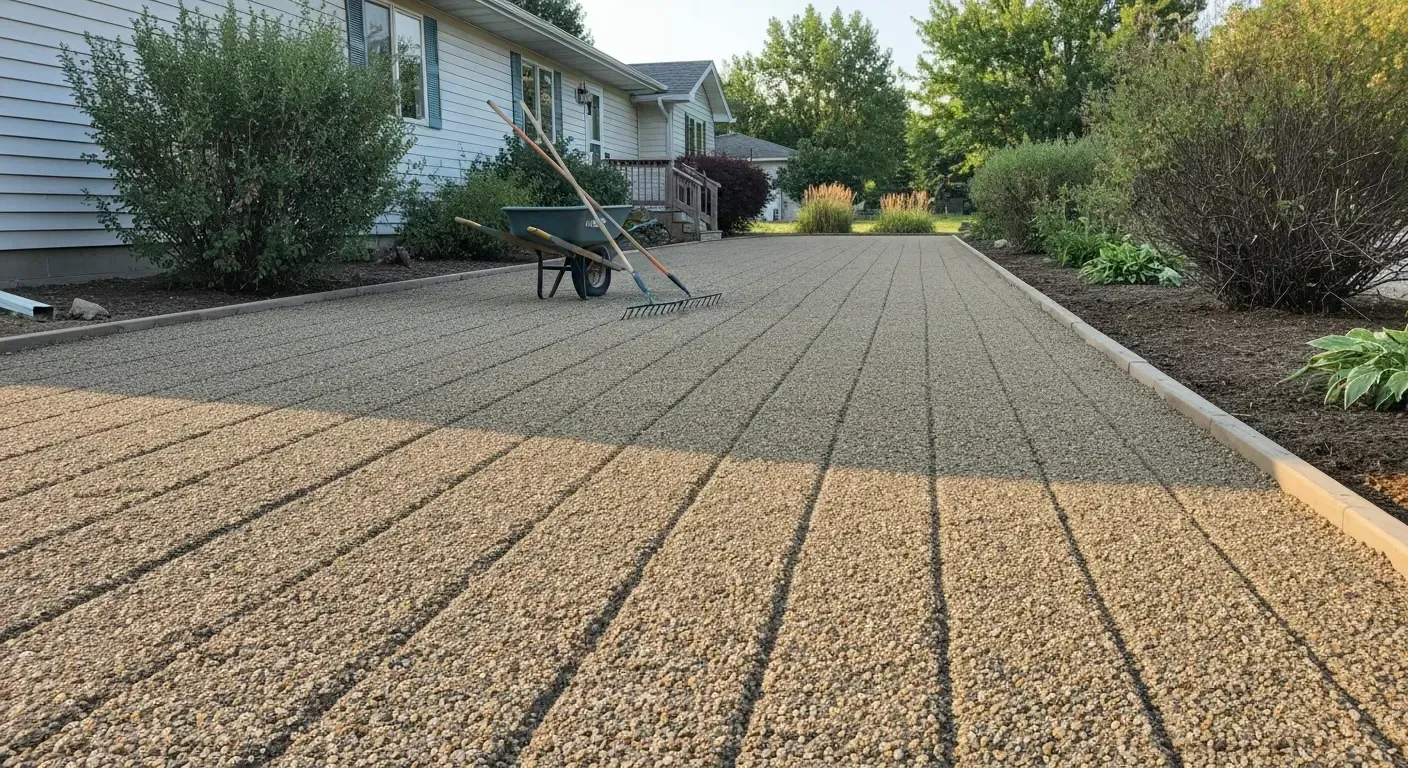
The Difference Between Base Materials and Finish Layers

Gravel comes in sizes from fine crusher run that packs dense for base layers to larger decorative stone used for pathways or drainage rock that allows water to flow through voids rather than ponding on the surface. Sand is supplied as concrete sand for mixing or masonry work, or as bedding sand that levels surfaces beneath pavers and slabs where uniform support prevents cracking. Topsoil is screened to remove rocks and debris, blended to achieve loam texture that drains without becoming waterlogged, and delivered at volumes calculated by square footage and desired depth for lawn installation or garden bed construction.
After material is delivered and spread, driveways remain firm without rutting because the base layer distributes vehicle weight across compacted angular stone, drainage areas clear quickly as water flows through properly sized rock rather than sitting on impermeable surfaces, and planting areas retain moisture and support root growth because topsoil depth and composition match plant requirements. Proper material selection eliminates common failures like gravel driveways that turn muddy because rounded stone was used instead of crushed base rock, or gardens that don't grow because subsoil was graded as topsoil without organic content.
Material supply includes delivery to your site with placement options ranging from dumping in a single location to spreading across designated areas depending on access and project requirements. It does not include excavation or grading to prepare the area before material is placed, though those services can be coordinated when site preparation is needed before delivery.
What Property Owners Usually Ask
Material supply projects involve determining the correct type and quantity for specific applications, and property owners often need guidance on how different materials perform and what volume calculations ensure adequate coverage without excess waste.
How is the correct amount of material calculated for a project?
Volume is determined by multiplying the area in square feet by the desired depth in feet, then converting to cubic yards, with factors added for compaction when the material will be graded and packed rather than left loose.
What type of gravel works best for driveways in Whitewood?
Crushed angular gravel in three-quarter-inch or smaller size compacts tightly to form a stable base that resists rutting under vehicle traffic, performing better than rounded river rock which shifts and doesn't lock together under load.
Why does sand need to be specified by application rather than ordered generically?
Concrete sand contains specific gradations for mixing structural concrete, masonry sand has finer particles for mortar joints, and bedding sand is washed to remove fines that would prevent proper drainage beneath pavers, so the wrong sand type causes installation problems or performance failures.
What depth of topsoil is required for lawn installation versus garden beds?
Lawns typically require four to six inches of quality topsoil over prepared subgrade to support turf root systems, while vegetable gardens and perennial beds benefit from eight to twelve inches to accommodate deeper root growth and provide adequate nutrient reserves.
When should materials be delivered relative to project start dates?
Delivery timing depends on site storage space and weather conditions, with materials ideally arriving just before installation begins to prevent them from becoming overgrown, compacted by rain, or contaminated by blowing debris during extended on-site storage.
Valley Dirt Movers LLC delivers gravel, sand, and topsoil sized for your specific project requirements, with quantities calculated to provide complete coverage. Reach out to discuss material options and delivery scheduling for your construction or landscaping work.