
Access Routes That Handle Heavy Equipment
Road Building & Roadwork in Whitewood for construction access, gravel road installation, and road maintenance
Construction sites, rural properties, and developing areas in Whitewood often lack paved access, forcing equipment and delivery trucks to cross soft ground that ruts deeply under load and becomes impassable after rainfall. Valley Dirt Movers LLC builds gravel roads and access routes designed to support heavy vehicles year-round, using graded base layers and compacted aggregate that distribute weight and shed water instead of holding it in the roadbed. You'll see firm driving surfaces that remain stable through wet seasons, reduced maintenance compared to unimproved dirt tracks, and access routes that don't require repair every time a loaded truck crosses them.
Road construction involves removing soft topsoil, establishing proper drainage slopes, placing a compacted base layer, and surfacing with graded gravel that interlocks under traffic rather than washing away during storms. Blading and grading maintain existing roads by reshaping surfaces, filling ruts, and re-establishing crown profiles that drain water off the road rather than letting it soak into the base and weaken the structure.
Arrange an on-site consultation to review access requirements and road design for your property.
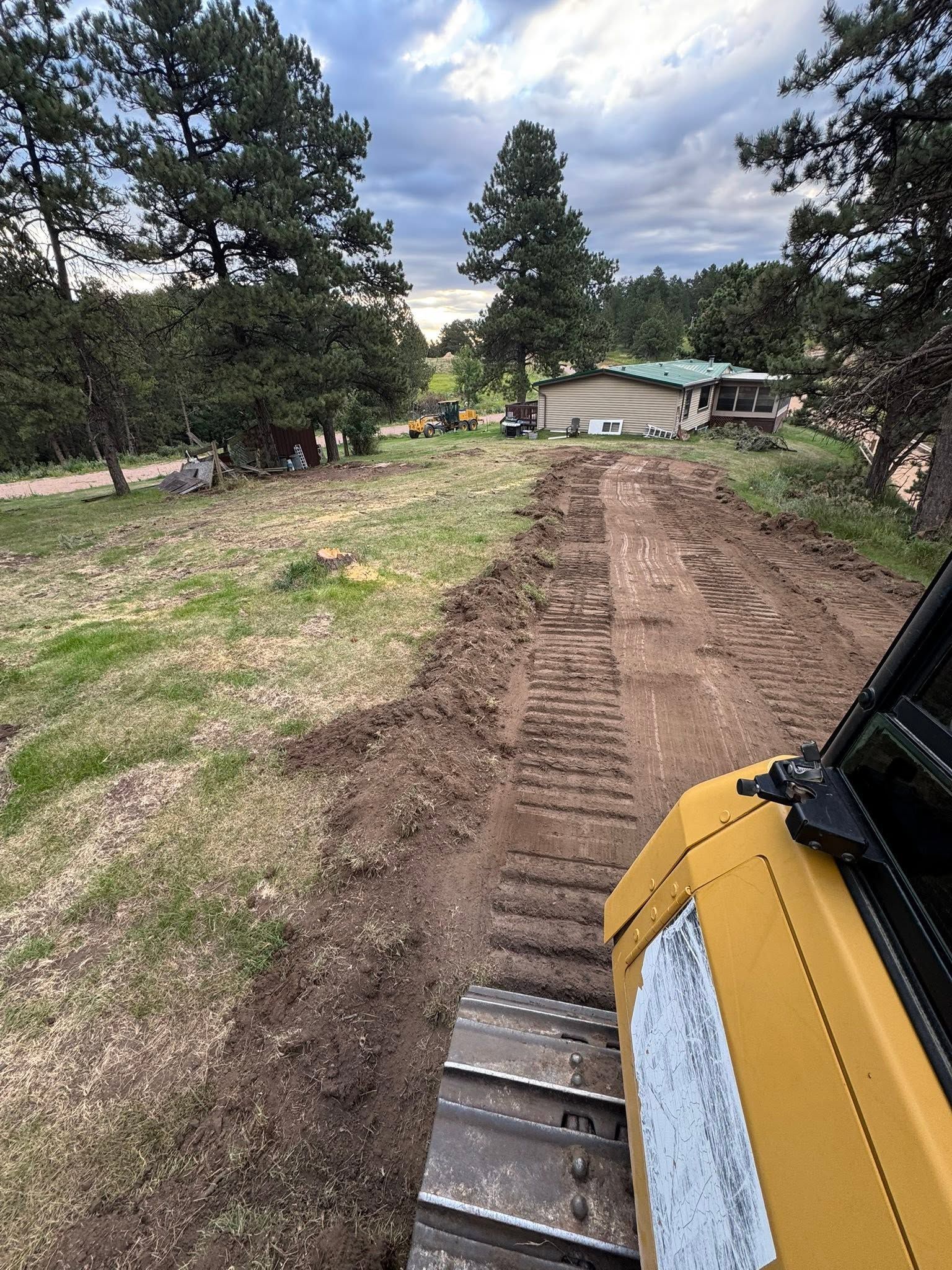
Why Proper Road Preparation Works for Heavy Use
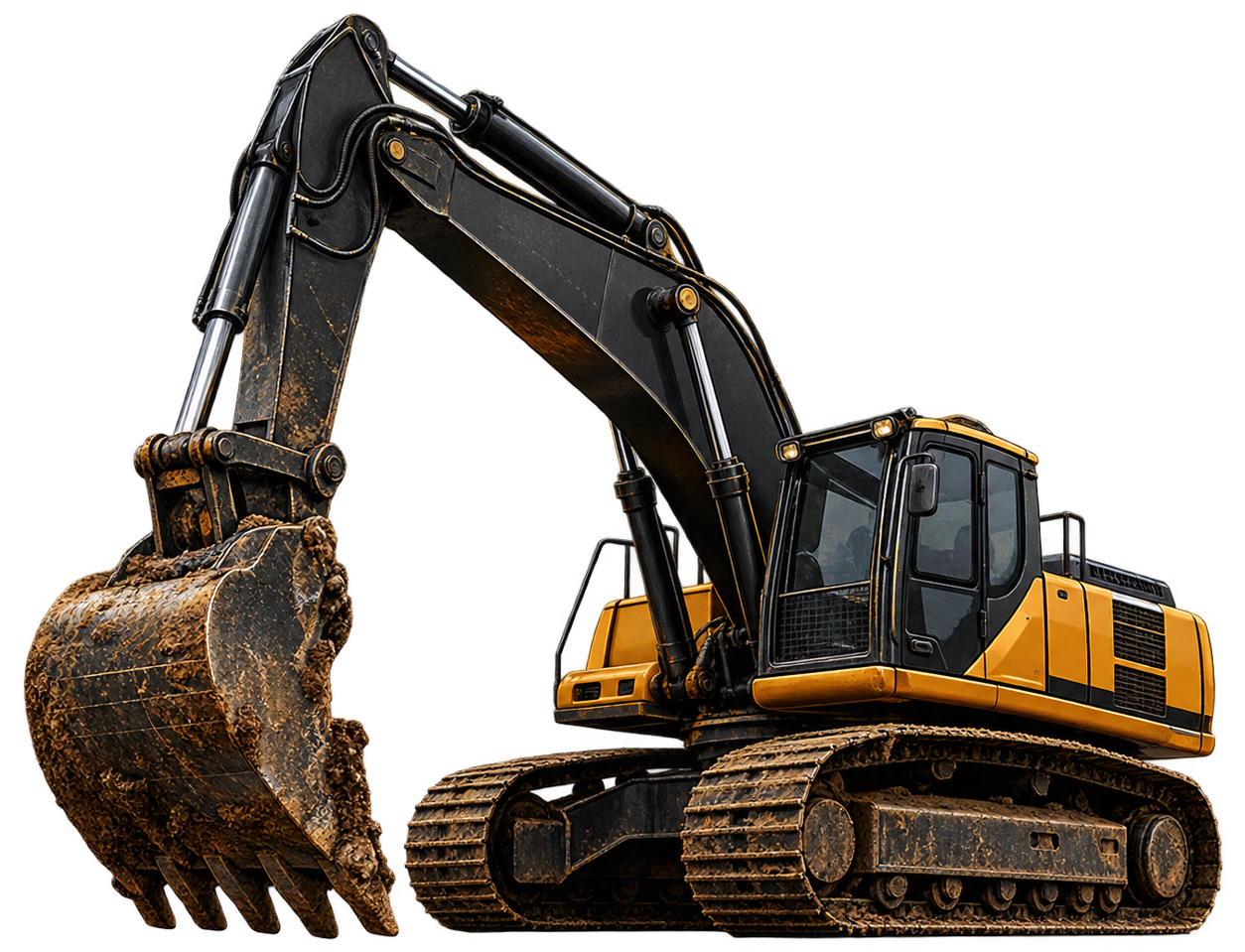
Building a gravel road starts with clearing the route and excavating unsuitable soil that can't support repeated loading, then placing geotextile fabric in areas with weak subgrade to prevent base material from mixing with underlying soil and losing strength. Operators spread and compact base rock in lifts, creating a firm foundation layer before adding surface gravel sized to lock together under vehicle weight while still allowing water to percolate through rather than pooling on top.
Once construction is complete, you'll see crowned road surfaces that drain toward edges instead of holding water, gravel that stays in place under traffic rather than spreading into soft berms, and ditches alongside the road that carry runoff away from the base layers. Roads built with proper base preparation require blading only to smooth surfaces worn by traffic, not to rebuild failed sections that have sunk or washed out because inadequate base material was used initially.
Road building includes base preparation, gravel placement, and initial compaction, but does not include ongoing maintenance blading or ditch cleaning that becomes necessary as roads age. Properties with steep grades or high water flow across the road path may require culverts or additional drainage structures to prevent washouts, which affects construction complexity and the materials needed to keep the road functional.
Questions Before Starting Your Project
Road construction and maintenance in Whitewood involve decisions about materials, drainage, and design that affect how well access routes hold up under use, and these questions address common concerns before work begins.
What type of gravel is used for road surfacing?
Angular crushed rock ranging from three-quarter inch to two inches is typically used because it compacts tightly and interlocks under traffic, while rounded river gravel shifts and spreads instead of forming a stable surface.
How deep is the base layer during new road construction?
Base depth depends on subgrade strength and expected traffic loads, with typical construction access roads requiring eight to twelve inches of compacted base rock beneath surface gravel to prevent rutting under heavy equipment.
When should road blading and maintenance be scheduled?
Grading is most effective after wet weather when gravel has softened slightly, allowing blades to reshape surfaces without just scraping loose material off a hard crust, though roads should not be bladed while actively muddy.
What drainage features are needed for gravel roads in Whitewood?
Crown profiles that shed water to both sides, roadside ditches to carry runoff away from the base, and culverts where roads cross natural drainage paths prevent water from saturating and weakening the road structure during storms or snowmelt.
How does road construction differ from simple gravel spreading?
Proper construction removes weak soil, compacts base layers, and builds drainage into the road profile, while spreading gravel on unprepared ground provides only temporary improvement before traffic pushes gravel into soft subgrade and ruts reappear.
Valley Dirt Movers LLC handles road building and grading for construction sites, residential access, and property development across Whitewood. Request a site visit to assess subgrade conditions and road design requirements specific to your access needs.